
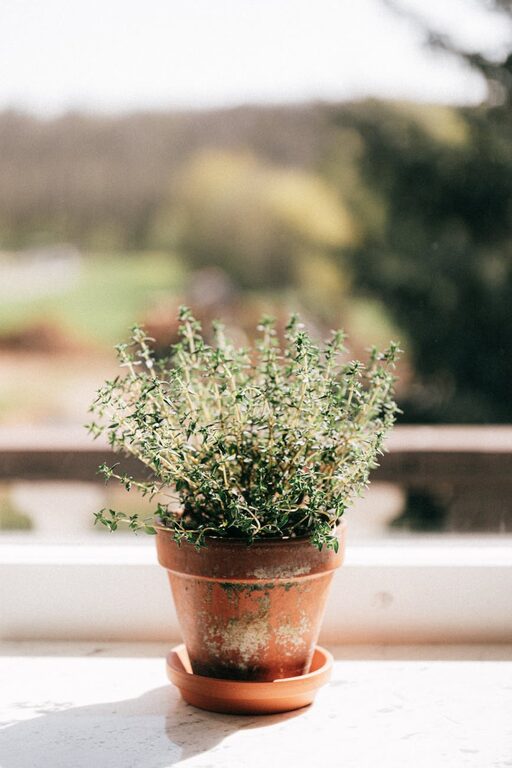
Starting a small herb garden indoors is a wonderful way to bring fresh flavors into your kitchen, add greenery to your space, and enjoy gardening year-round. Whether you have a sunny windowsill or a small corner in your home, growing herbs indoors is both simple and satisfying. In this guide, we’ll walk you through everything you need to start your own indoor herb garden with confidence.
Why Grow Herbs Indoors?
Indoor herb gardens are perfect for those who:
– Don’t have outdoor garden space
– Want fresh herbs year-round
– Enjoy cooking with homegrown ingredients
– Wish to enhance indoor air quality and decor
Herbs like basil, thyme, parsley, and mint can thrive indoors with the right care, offering a fresh supply for your meals and teas.
Choosing the Right Herbs for Indoor Gardening
Not all herbs are equally suited for indoor growing. Consider these beginner-friendly options:
– Basil: Loves warmth and sunlight; perfect for Italian dishes.
– Parsley: Tolerates moderate light; great for garnishes.
– Thyme: Thrives in bright light and well-drained soil.
– Mint: Easy to grow and spreads quickly; keep in a separate pot.
– Chives: Needs plenty of sunlight; adds a mild onion flavor.
Choose 3-5 herbs to start with, depending on your space and preferences.
Selecting Containers and Soil
Your choice of containers and soil will impact plant health:
Containers
– Size: Use pots or containers at least 4-6 inches deep to allow root growth.
– Material: Terracotta, ceramic, or plastic pots work well; ensure drainage holes.
– Drainage: Good drainage prevents root rot; consider adding small pebbles at the bottom.
Soil
– Use high-quality potting mix formulated for indoor plants.
– Avoid garden soil, which can be heavy and may contain pests.
– Consider mixing in perlite or vermiculite to improve aeration.
Finding the Perfect Spot
Herbs need plenty of light to thrive indoors:
– Light Requirements: Most herbs require 6-8 hours of sunlight daily.
– Windowsills: South- or west-facing windows are ideal.
– Artificial Lighting: If natural light is limited, use LED grow lights positioned 6-12 inches above the plants.
Rotate your pots regularly to promote even growth.
Planting Your Herbs: Seeds or Starter Plants?
You can start your herb garden either from seeds or small plants bought at a nursery:
Starting From Seeds
– Follow seed packet instructions for planting depth and spacing.
– Keep soil moist but not soggy until seeds germinate.
– Use a clear cover or plastic wrap to maintain humidity during germination.
Using Starter Plants
– Choose healthy, pest-free plants for transplanting.
– Gently loosen roots before planting.
– Water thoroughly after planting.
Care Tips for Healthy Herb Growth
Once your herbs are planted, keeping them healthy involves managing watering, feeding, and pruning.
Watering
– Water when the top inch of soil feels dry.
– Avoid overwatering; soggy soil can harm roots.
– Mist herbs occasionally to increase humidity, especially in dry indoor air.
Feeding
– Fertilize every 4-6 weeks with a balanced, water-soluble fertilizer diluted to half strength.
– Avoid over-fertilizing, which can affect flavor and growth.
Pruning and Harvesting
– Regularly pinch off leaves to encourage bushier growth.
– Harvest herbs by cutting just above a leaf node (the point where leaves grow from the stem).
– Avoid removing more than one-third of the plant at a time.
Troubleshooting Common Problems
Even with care, indoor herbs can face issues. Here’s how to address some common problems:
– Yellowing leaves: Often caused by overwatering or poor drainage.
– Leggy growth: Indicates insufficient light; move plants to a sunnier spot or use grow lights.
– Pests: Watch for aphids, spider mites, or whiteflies; wipe leaves with a damp cloth or use insecticidal soap.
– Wilting: Could be underwatering or root problems; check soil moisture and drainage.
Tips for Maximizing Your Indoor Herb Garden
– Group herbs with similar water and light needs together.
– Use attractive containers or planters to complement your décor.
– Incorporate your herbs into meals frequently to enjoy the freshest taste.
– Try companion planting by mixing herbs that benefit each other.
Conclusion
Creating a small herb garden indoors is a rewarding project that adds freshness and greenery to your home. With the right herbs, containers, light, and care, you can enjoy homegrown flavors all year long. Start small, experiment, and see your indoor garden flourish!
Happy gardening!